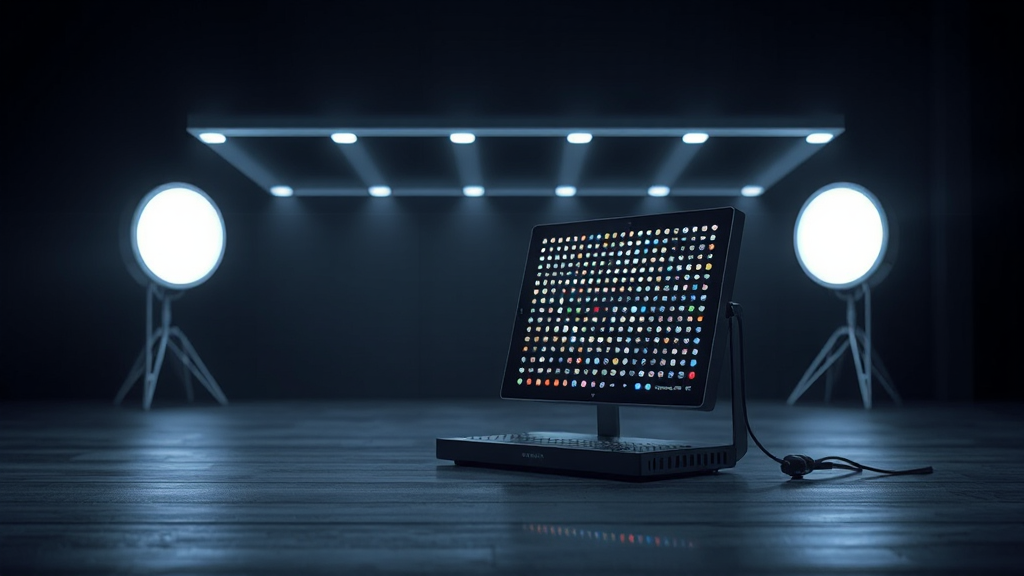
Modern Lighting Solutions: How to Transform Your Space with LED Strips and Spotlights
Lighting is one of the most impactful elements in interior design, yet it is often overlooked. The right lighting can completely change the mood, functionality, and aesthetic of a room. Whether you are renovating your home, upgrading your office, or setting up a retail space, understanding how to use modern lighting solutions like LED strips, spotlights, and projectors is essential. In this article, we will explore how you can leverage these technologies to create stunning environments. We will also discuss practical tips for installation, energy efficiency, and design trends. By the end, you will have a clear roadmap to elevate any space using advanced lighting techniques.
Why LED Lighting is the Future of Illumination
LED lighting has revolutionized the way we illuminate our homes and businesses. Unlike traditional incandescent bulbs, LEDs consume significantly less energy, last longer, and offer greater versatility. One of the most popular products in this category is the benzi led, which provides flexible, adhesive strips that can be installed almost anywhere. These strips are perfect for accent lighting, under-cabinet illumination, or creating ambient glow in living rooms and bedrooms. Additionally, the use of a proiector led can mimic natural daylight, making it ideal for task lighting in kitchens or workspaces. The efficiency of LEDs also means lower electricity bills and reduced environmental impact, which is a win-win for homeowners and businesses alike.
Creative Ways to Use LED Strips in Your Home
LED strips are incredibly versatile and can be used in numerous creative ways. For instance, you can install them along the edges of ceilings to create a floating effect, or behind televisions to reduce eye strain and add a cinematic atmosphere. In the kitchen, placing strips under cabinets illuminates countertops effectively, making meal preparation safer and more enjoyable. Another popular application is in staircases, where strips can be embedded into the risers for both safety and style. When you aplica led strips in closets or pantries, they automatically light up when the door opens, adding convenience. The flexibility of these strips allows for custom lengths and shapes, enabling you to highlight architectural features or artwork with precision.
Enhancing Spaces with Spotlights and Projectors
While LED strips provide soft, diffused light, spoturi led are perfect for focused illumination. These fixtures can be used to highlight specific objects like paintings, sculptures, or retail displays. In residential settings, track lighting with adjustable spotlights allows you to direct light exactly where it is needed. For example, in a reading nook, a well-placed spot can provide task lighting without casting shadows. Meanwhile, a proiector led is an excellent choice for outdoor areas, such as gardens or patios, where wide-angle illumination is required. These projectors are weather-resistant and can cover large areas with bright, uniform light, enhancing security and ambiance simultaneously. Combining both strips and spotlights in a single room creates layers of light, adding depth and dimension to the space.
Energy Efficiency and Cost Savings
One of the most compelling reasons to switch to LED lighting is the substantial energy savings. LEDs use up to 80% less energy than traditional bulbs and can last 25 times longer. This means fewer replacements and lower maintenance costs over time. When you incorporate a benzi led into your lighting design, you are investing in a product that not only reduces your carbon footprint but also pays for itself through reduced utility bills. Additionally, many modern LED strips and spotlights come with dimmable features, allowing you to adjust brightness based on the time of day or mood. Smart controls further enhance efficiency by enabling scheduling and remote operation, ensuring lights are never left on unnecessarily. For businesses, this translates into significant operational savings, especially in large commercial spaces.
Installation Tips for DIY Enthusiasts
Installing LED strips and spotlights can be a rewarding DIY project if you follow a few key guidelines. First, measure the area where you plan to install the strips accurately to avoid cutting too short or leaving gaps. Most benzi led products come with adhesive backing, but for long-term adhesion, especially in humid areas like bathrooms, consider using additional mounting clips. When connecting multiple strips, ensure you use compatible connectors and a power supply that matches the total wattage. For spoturi led, check the ceiling or wall structure to ensure secure mounting, and always turn off power at the circuit breaker before wiring. If you are unsure about electrical connections, consult a licensed electrician. Finally, test the setup before finalizing placement to confirm the lighting effect meets your expectations.
Design Trends and Inspiration
Current lighting trends emphasize minimalism, sustainability, and smart technology. Many designers are using LED strips to create seamless transitions between walls and ceilings, eliminating the need for bulky fixtures. Color-changing RGB strips are also popular for creating dynamic atmospheres in entertainment rooms or commercial venues. When you aplica led in a retail setting, it can guide customers through the space and highlight products effectively. Another emerging trend is the use of linear suspension lights combined with spotlights for a modern industrial look. For homes, warm white LEDs (2700K-3000K) are preferred for cozy living areas, while cooler tones (4000K-5000K) are better for kitchens and bathrooms. By staying updated with these trends, you can ensure your lighting design remains fresh and functional for years to come.
Conclusion
Lighting is no longer just a necessity; it is a design tool that can transform any space. From flexible benzi led strips to powerful proiector led units and precise spoturi led, the options are vast and adaptable to any need. Whether you are aiming for energy efficiency, aesthetic appeal, or enhanced functionality, modern LED solutions offer unmatched benefits. By carefully planning your layout, choosing the right color temperatures, and following proper installation practices, you can create a lighting scheme that is both beautiful and efficient. We encourage you to explore these technologies and see how they can brighten your world.
FAQs
Can LED strips be cut to custom lengths?
Yes, most LED strips have marked cut points every few inches, allowing you to trim them to fit your specific space. Always cut along the designated lines to avoid damaging the circuit.
Are LED spotlights suitable for outdoor use?
Many LED spotlights are designed with weather-resistant housings and are rated for outdoor use. Check the IP rating (e.g., IP65) to ensure they can withstand rain, dust, and temperature variations.
How do I choose the right brightness for LED strips?
Brightness is measured in lumens. For ambient lighting, 300-500 lumens per meter is common, while task areas may require 800-1000 lumens per meter. Also consider the color temperature to match the room’s purpose.
Can I control LED strips with a smartphone app?
Yes, many modern LED strip kits include Wi-Fi or Bluetooth connectivity, allowing you to adjust colors, brightness, and schedules via a dedicated app. Some also integrate with smart home assistants like Alexa or Google Home.
What is the lifespan of a typical LED strip?
LED strips generally last between 25,000 to 50,000 hours, depending on usage and quality. This translates to several years of daily use before needing replacement, making them a long-term investment.
For readers who want to learn more about benzi led, it helps to compare different approaches, read expert opinions, and consider how the topic fits into the broader general landscape.
Another key aspect of benzi led is understanding how it relates to other topics in the same field. Many experts recommend starting with a clear overview before diving into specific techniques or strategies.

Be First to Comment